

Arranging Mirror Work on Bedroom Walls
Practical tips for hanging and positioning mirror work pieces. Includes spacing, wall preparation, and creating visual impact in your bedroom.
Explore the rich traditions of Rajasthani mirror embroidery. Learn the history, techniques, and craftsmanship that make these pieces treasured additions to any home. We’ll walk you through different stitch types, mirror sizes, and the methods artisans use to attach mirrors to fabric.

Editorial Team
Written by the Aaina Textiles editorial team, focused on authentic Rajasthani textiles, mirror work techniques, and practical bedroom styling guidance.
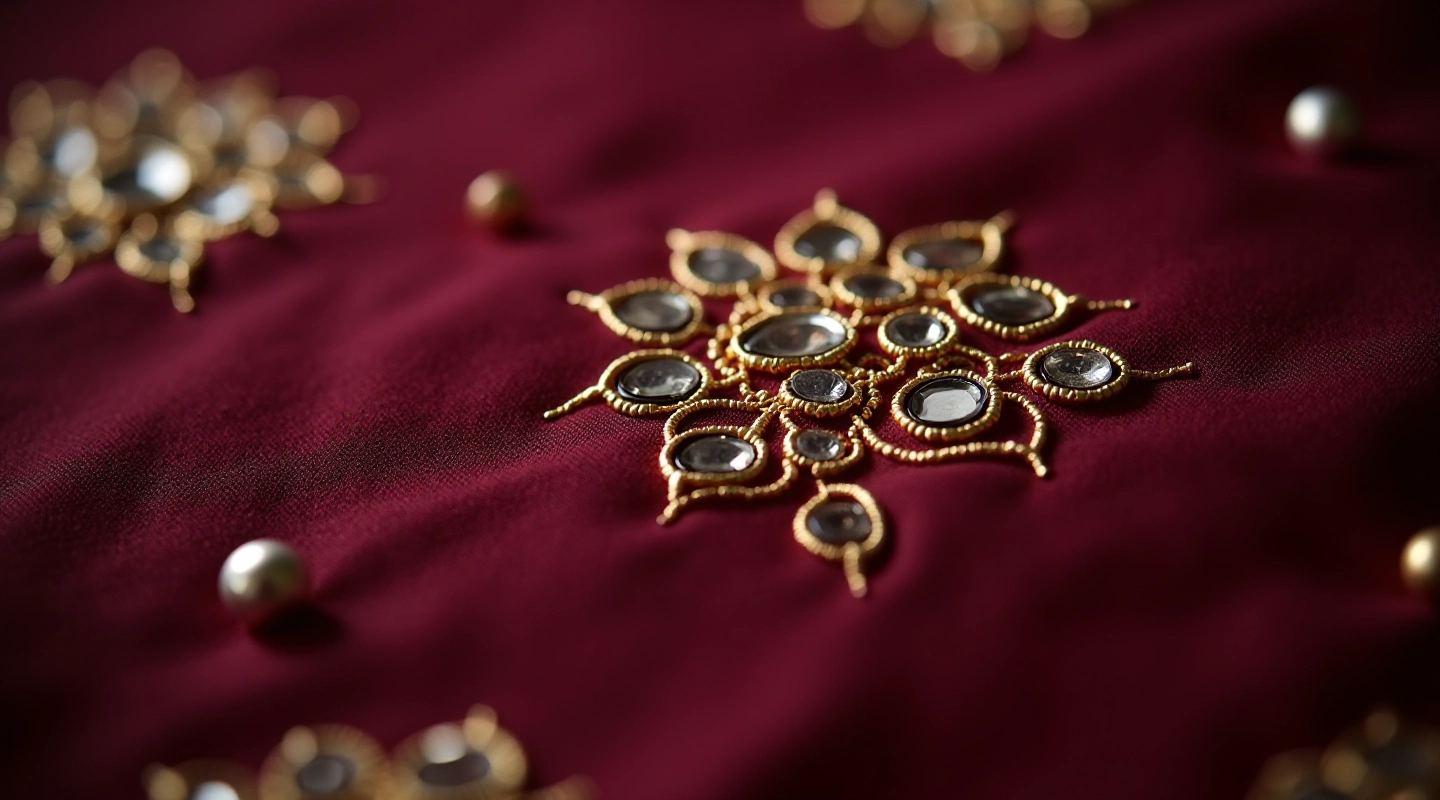
Mirror work, or shisha embroidery, isn’t new. It’s been around for centuries in Rajasthan, and it’s not hard to see why. The technique involves stitching small pieces of reflective mirror directly into fabric, creating pieces that catch light and shimmer. What makes it special is the craftsmanship — each mirror is carefully placed and secured with intricate stitching patterns that’ve been passed down through generations.
The beauty of mirror work lies in its versatility. You’ll find it on wall hangings, bed covers, pillows, and decorative pieces. In homes across Jaipur and beyond, these textiles become focal points. They’re not just decorative — they’re statements of cultural heritage and artistic skill.


Rajasthan’s mirror work tradition has roots stretching back centuries. Originally, artisans didn’t use manufactured mirrors — they worked with pieces of mica and reflective materials. Over time, as glass mirrors became more available, the technique evolved. What remained constant was the artisan’s dedication to precision and beauty.
The craft thrived particularly in western Rajasthan, especially in regions like Jodhpur and Jaisalmer. Communities developed their own distinctive styles. Some pieces feature large, prominent mirrors. Others use tiny pieces arranged in intricate patterns. Each style tells a story about the region and the artisan’s personal touch.
Today, mirror work remains vibrant. Artisans continue using traditional methods, though some have adapted techniques for modern production. The result? Pieces that honor heritage while fitting seamlessly into contemporary homes.
Practical tips for hanging and positioning mirror work pieces. Includes spacing, wall preparation, and creating visual impact in your bedroom.
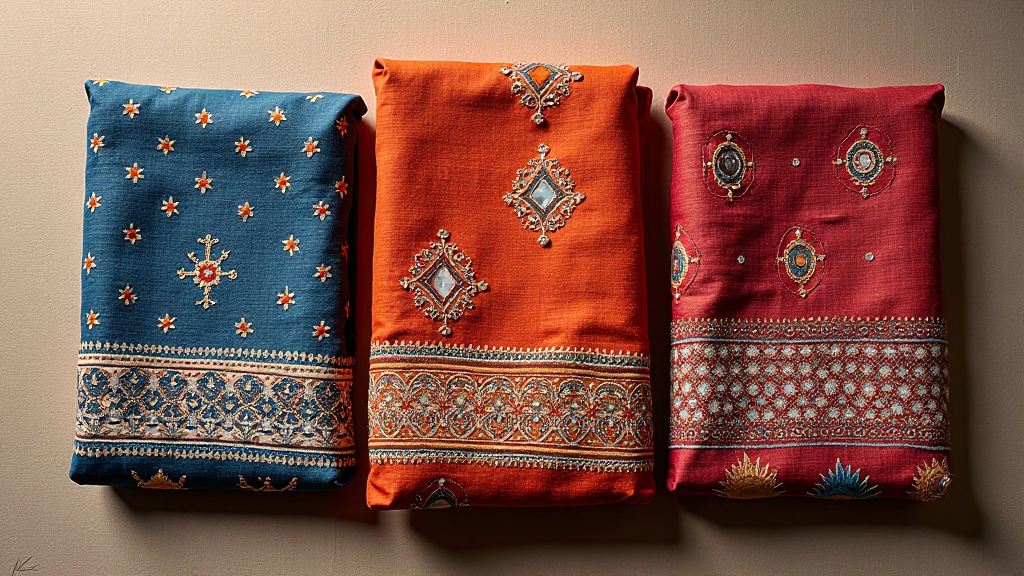
A guide to selecting textile colors and patterns that complement existing bedroom décor. Learn which combinations work best together.

Keep your pieces looking fresh. Covers gentle cleaning methods, storage tips, and protecting mirrors from damage.
The craft of mirror work relies on several key stitching techniques. The most common is the cross-stitch pattern, which creates a secure frame around each mirror. Artisans use this method because it distributes tension evenly, keeping mirrors firmly in place even after years of use.
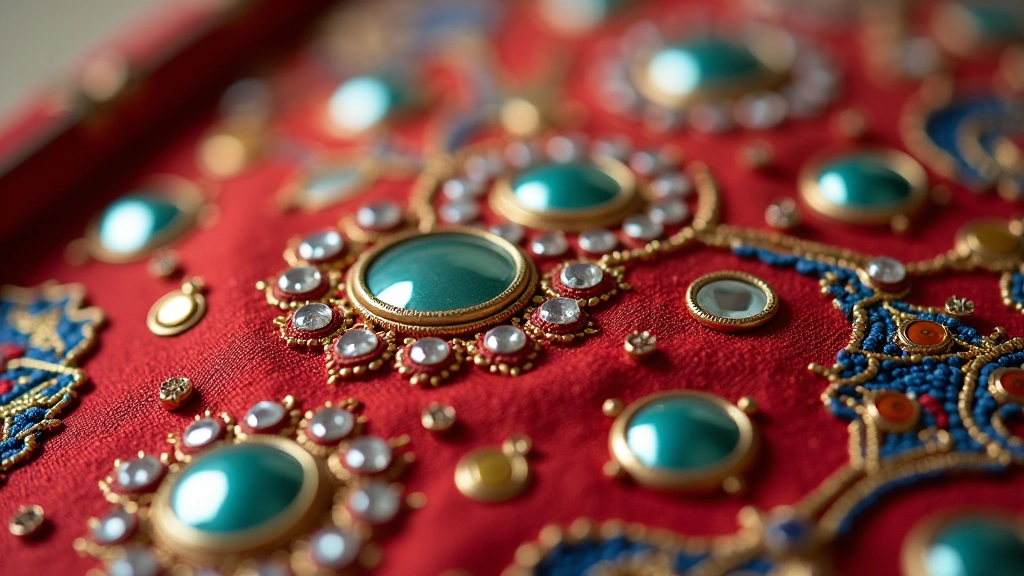
The mirrors themselves vary in size — typically ranging from 5mm to 25mm in diameter. Smaller mirrors create detailed, intricate patterns. Larger ones make bolder statements. Artisans select mirror sizes based on the overall design and the fabric weight. Heavier fabrics can support larger, heavier mirrors without warping.
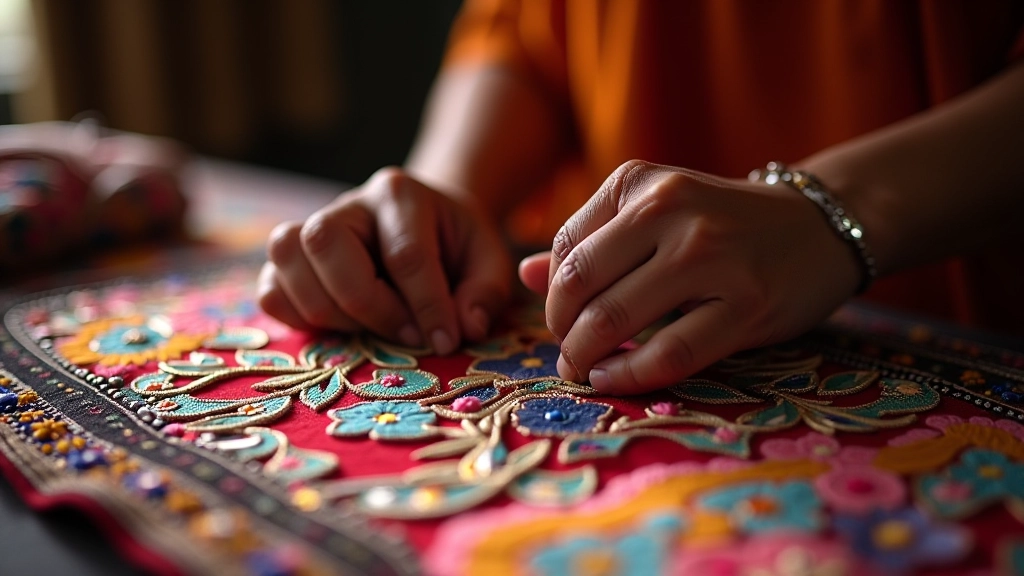
Artisans sketch the design on fabric, marking where each mirror will be placed. This requires precision — spacing must be consistent, and the overall pattern needs to be balanced.
Threads are selected based on the design. Traditional pieces use metallic threads for contrast. The artisan prepares thread lengths and needles before beginning.
Each mirror is hand-stitched using the chosen technique. This is the most time-intensive step. A single piece can take weeks or months depending on the number of mirrors and complexity.
Once all mirrors are attached, artisans add decorative stitching, borders, and any final embroidery details. The piece is inspected for quality and durability.
This article provides educational information about Rajasthani mirror work embroidery techniques, history, and traditional craftsmanship. Information is based on cultural research and artisan knowledge. Individual pieces may vary in construction methods, mirror sizes, and materials based on regional styles and artisan preference. For specific care instructions for your particular textile, consult the care label or reach out to the artisan or supplier.
Mirror work embroidery isn’t just a decorative technique — it’s a living tradition. Every stitch represents skill developed over years of practice. Every mirror reflects light and captures attention. When you bring a mirror work piece into your home, you’re not just adding decoration. You’re connecting with centuries of cultural heritage and supporting artisans who keep this craft alive.
Whether you’re drawn to the shimmer, the intricate patterns, or the stories behind each piece, mirror work offers something special. Now that you understand the basics — the history, the techniques, and the process — you’re better equipped to appreciate these textiles. You’ll see beyond the sparkle to the craftsmanship underneath.