

Mirror Work Basics: Understanding Rajasthani Embroidery
Learn the history and techniques behind traditional mirror embroidery. Covers different stitch types and regional variations across Rajasthan.
Read GuideKeep your pieces looking fresh and beautiful for years. Learn gentle cleaning methods, proper storage techniques, and how to protect mirror work from dust and moisture in humid bedroom environments.


Written by
Editorial Team
Focused on authentic Rajasthani textiles, mirror work techniques, and practical bedroom styling guidance for homes across the region.
Mirror work textiles are treasured pieces. The hand-stitched mirrors, intricate embroidery, and delicate threads deserve attention. But they’re not fragile — they’re resilient when treated right.
Dust settles on the mirrors, making them lose their sparkle. Humidity in bedrooms can affect the fabric and thread. Improper cleaning can loosen the mirrors or damage the embroidery. That’s where knowing the basics helps.
The good news? Maintenance is straightforward. You don’t need special chemicals or expensive tools. Just gentle handling, the right cleaning approach, and smart storage. We’ll walk you through everything.
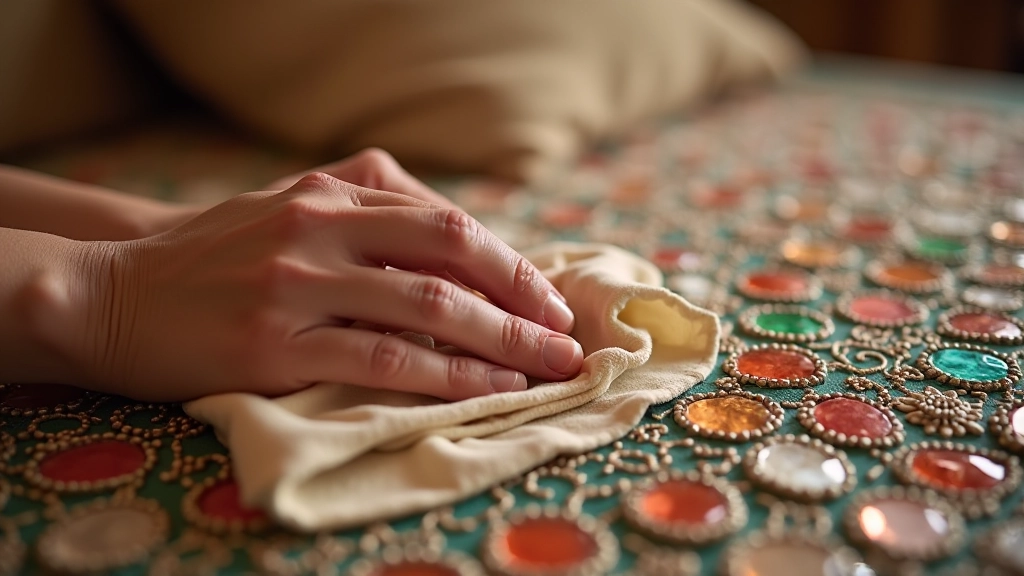

Dust removal is your first line of defense. Regular light cleaning keeps mirrors bright and prevents buildup.
Use a soft-bristled brush — the kind meant for delicate fabrics. Brush gently across the surface in one direction. Don’t scrub. The goal is to lift dust without disturbing threads or mirrors. Do this every 2-3 weeks if the piece hangs in a bedroom.
A dry microfiber cloth works beautifully for mirrors. It traps dust without leaving lint. Wipe the mirrors gently — they’ll regain their shine immediately. This takes 2-3 minutes and keeps the sparkle fresh.
If there’s a mark or stain, mix lukewarm distilled water with a tiny drop of mild detergent. Dampen a cloth — not wet, just damp. Gently dab the spot. Don’t rub. Rinse with a cloth dampened in plain distilled water. Air dry flat or hanging.
If you’re rotating pieces or storing mirror work temporarily, the right environment matters.
Humidity in Jaipur bedrooms can reach 70-80% during monsoon. High humidity weakens thread and can cause mirrors to shift. Keep storage areas dry — use silica gel packets in closed containers if storing for months. Replace packets every 3-4 weeks.
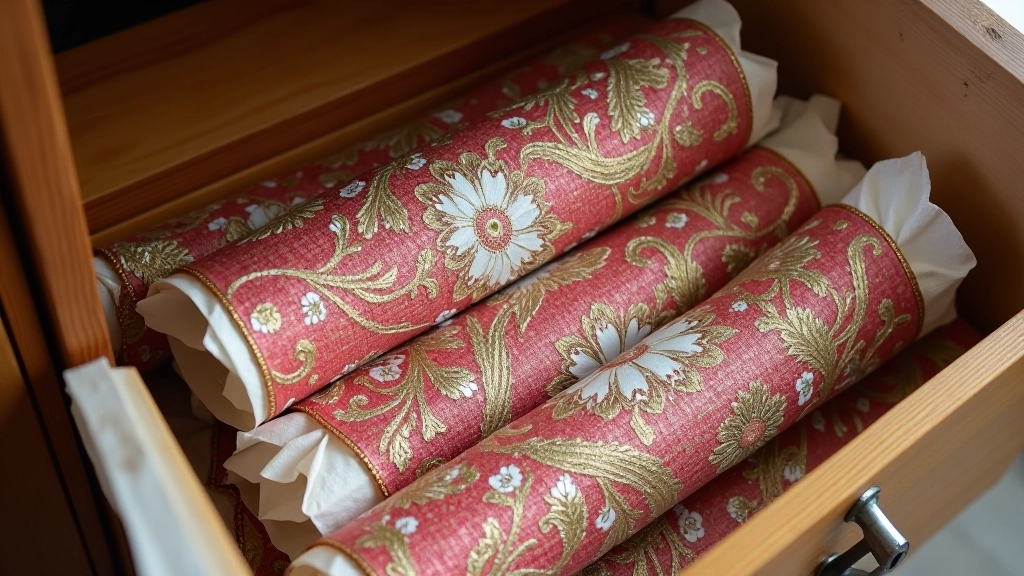
Rolling is better than folding. Creases from folds can stress the embroidery and mirrors. Roll the piece loosely around acid-free tissue paper. This distributes weight evenly and prevents permanent creases.
Direct sunlight fades colors and weakens threads over time. Store in a cool, dark closet or cabinet. If hanging permanently, consider lightweight sheer curtains to filter harsh afternoon light — especially on south-facing bedroom walls.
Bedroom dust settles quickly on mirror surfaces. A light brush every 2-3 weeks prevents heavy accumulation. In dusty areas, increase frequency. Dust is easier to remove fresh than when it’s been sitting for months.
Moisture weakens threads and can cause mirrors to shift from their stitched positions. Keep bedrooms well-ventilated. Open windows on dry mornings. Use fans to circulate air. If humidity stays above 60%, consider a small dehumidifier near the piece.
Sun exposure fades thread colors and degrades fabric fibers. Hang pieces on walls that don’t get afternoon sun. If the bedroom gets bright light, use lightweight sheer curtains or UV-filtering window film to protect the textile.
Mirrors can catch on rings, zippers, or rough edges. Hang pieces where they won’t brush against clothing or furniture. If a thread snags, don’t pull. Gently ease it back. Small loose threads can be trimmed with clean scissors — but only surface threads, not structural embroidery.
Mirrors in older textiles may have backing that oxidizes. This is natural aging. If a mirror loses shine, don’t attempt to replace it — that requires professional skills. Appreciate the patina as part of the piece’s history.
Embroidery threads can fray at edges over decades. This is slow and normal. Prevent it by keeping the piece in stable conditions — consistent humidity, moderate temperature, protected from snagging. Major fraying means the textile has reached end-of-life or needs professional restoration.
Deepen your knowledge of mirror work textiles and bedroom styling.
Learn the history and techniques behind traditional mirror embroidery. Covers different stitch types and regional variations across Rajasthan.
Read Guide
Practical tips for hanging and positioning mirror work pieces. Includes spacing guidelines and hardware recommendations for different wall types.
Read Guide
A guide to selecting textile colors and patterns that complement existing bedroom décor. Learn which combinations work best in different lighting conditions.
Read GuideMirror work textiles from Rajasthan are built to endure. They’ve been treasured for centuries because the craftsmanship is exceptional. Your role is simple — keep them clean, store them properly, and protect them from harsh conditions.
A quick brush every few weeks. Dry storage with controlled humidity. Gentle spot cleaning when needed. These small habits preserve the sparkle and color for years. Your children and grandchildren will see the same beauty you see today.
Have questions about your specific pieces?
Get in TouchThe care and maintenance guidelines in this article are based on general best practices for mirror work textiles and traditional embroidered fabrics. Individual pieces may have unique characteristics depending on age, materials, and construction methods. For antique or rare textiles, consider consulting a professional textile conservator before attempting any cleaning or restoration. Environmental conditions vary by region — humidity, temperature, and air quality in your specific location may require adjustments to these recommendations. Test any cleaning solution on a hidden area first. This guide is informational and not a substitute for professional restoration services when needed.