Mirror Work Basics: Understanding Rajasthani Embroidery
Learn the history and techniques behind traditional mirror embroidery. Covers different stitch types, mirror sizes, and how they’re traditionally attached to fabric.
Ethnic mirror mosaic styling for bedroom spaces across Jaipur and Malviya Nagar
Explore practical approaches to incorporating mirror work and traditional textiles into modern bedroom design
Learn the history and techniques behind traditional mirror embroidery. Covers different stitch types, mirror sizes, and how they’re traditionally attached to fabric.
Practical tips for hanging and positioning mirror work pieces. Includes spacing, height guidelines, and how to work with walls of different sizes and shapes.
A guide to selecting textile colors and patterns that complement existing bedroom decor. Discusses color psychology, traditional palettes, and modern alternatives.
Keep your pieces looking fresh. Covers gentle cleaning methods, storage tips, and how to protect mirror work from dust and moisture in humid bedroom environments.
Understanding the traditions and characteristics of this textile art form
Mirror work embroidery originated in the Gujarat and Rajasthan regions centuries ago. The technique reflects light and was historically believed to protect against negative energy. Today, it remains a significant part of regional cultural identity.
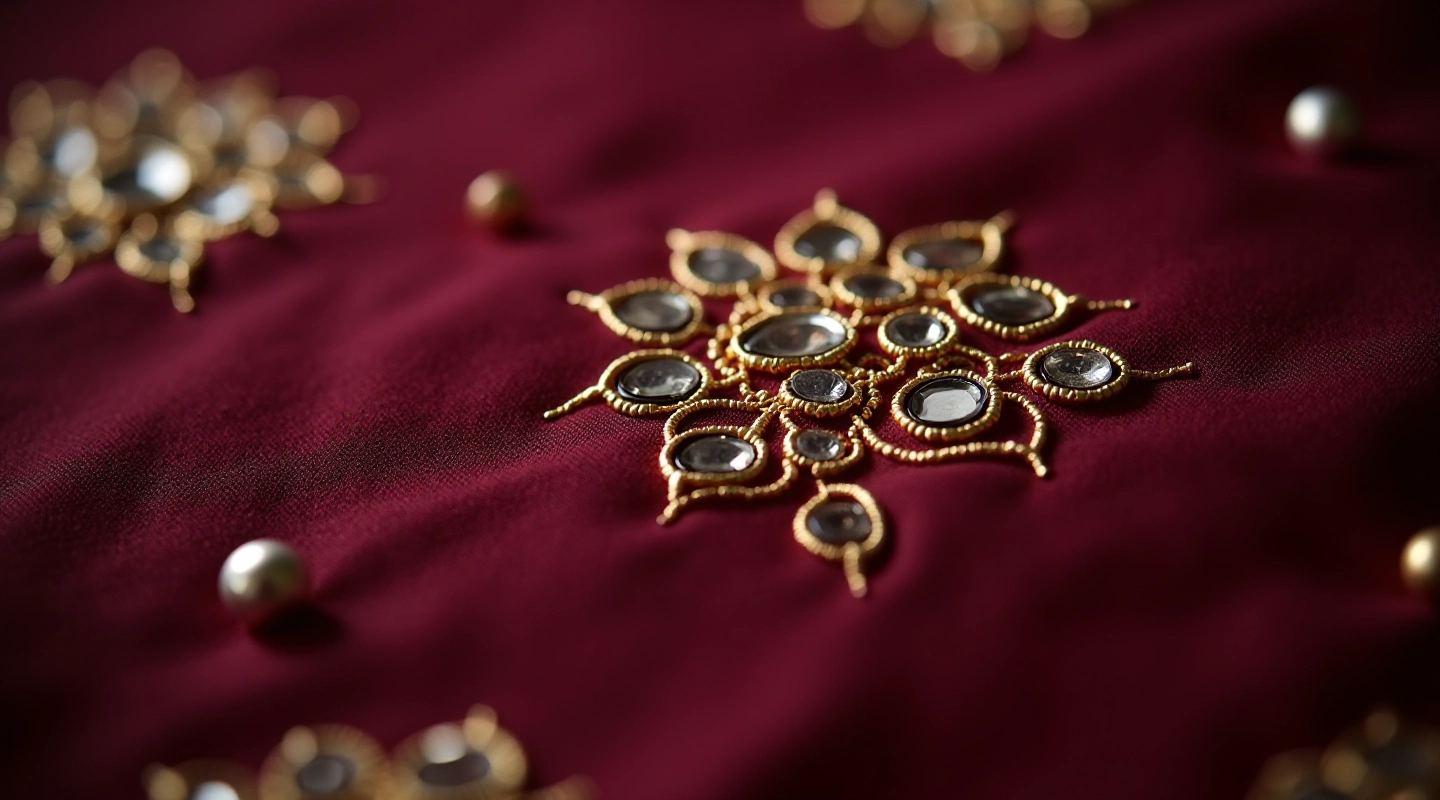
Pieces combine hand-stitched mirrors — traditionally made of glass or metal — with embroidered fabric bases. The mirrors range from tiny (3-5mm) to larger circular pieces, each hand-attached using strong thread. Different regions use different stitch patterns and mirror arrangements.
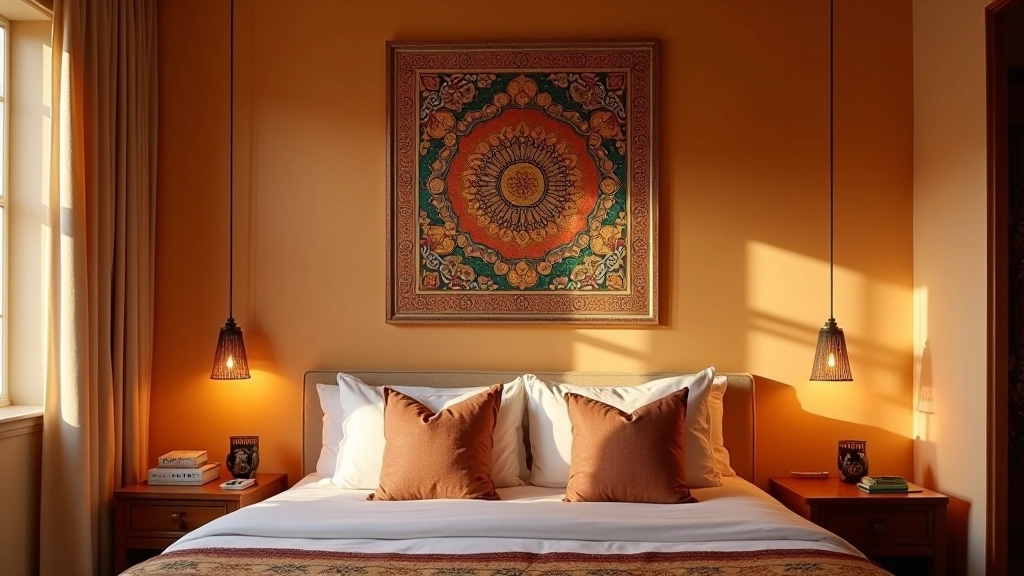
In Jaipur and surrounding areas, mirror work pieces are traditionally hung above beds or on feature walls. The reflective quality adds visual interest and makes rooms feel larger. They work well with warm lighting, which enhances the mirror sparkle without creating glare.
Each piece is made by hand, often by artisans in small workshops across Rajasthan. Production time varies based on size and complexity. Supporting these pieces means supporting traditional craftsmanship and local artisan communities in Malviya Nagar and beyond.

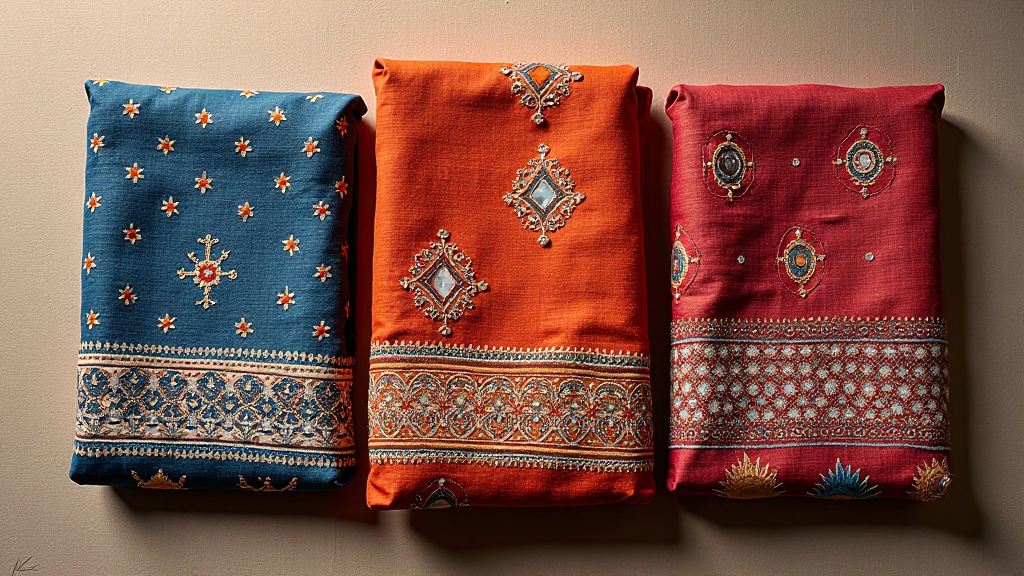
We find that the best mirror work pieces aren’t chosen based on trends or because they match everything perfectly. They’re chosen because they speak to how someone wants their bedroom to feel. Whether it’s the warmth of gold embroidery on deep indigo, the brightness of mirrors on rust-toned fabric, or the complexity of a detailed wall hanging — these textiles bring personality and history into a space. That’s what makes them different from generic wall decor.
— Aaina Textiles Editorial Team