
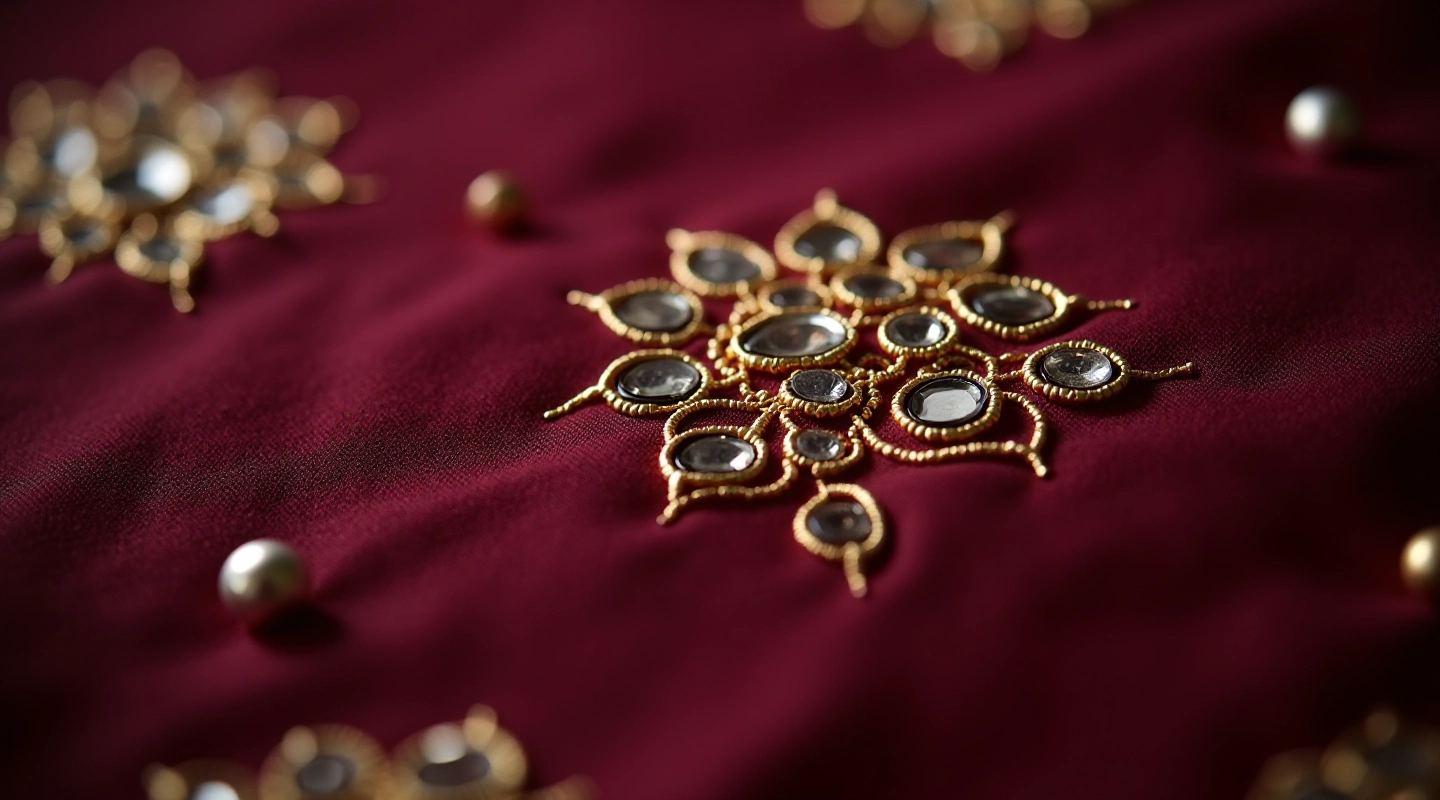
Mirror Work Basics: Understanding Rajasthani Embroidery
Learn the history and techniques behind traditional mirror embroidery. Covers different stitch types, mirror placement methods, and regional variations across Rajasthan.
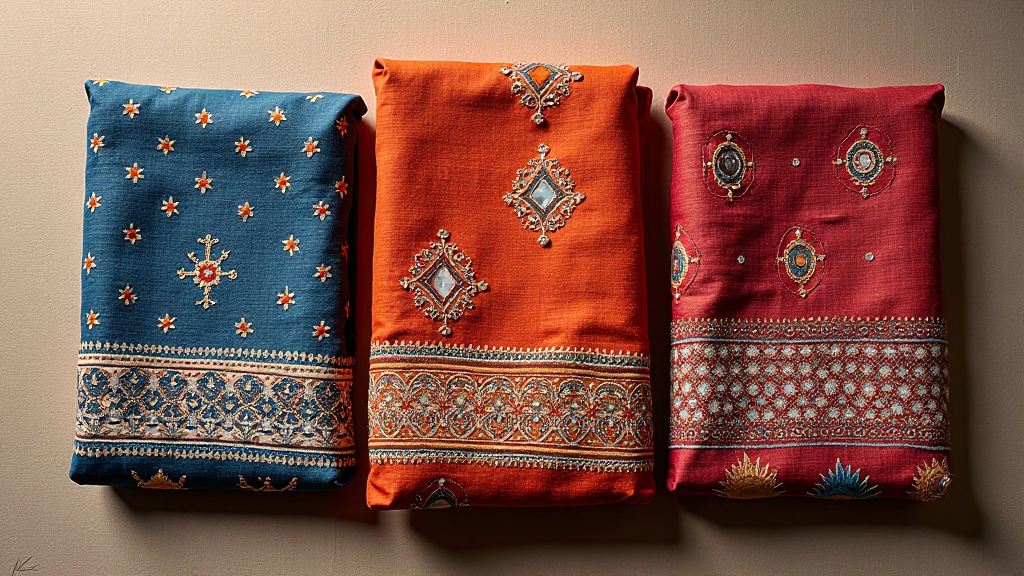
A practical guide to selecting textile colors and patterns that complement your existing bedroom décor, featuring traditional Rajasthani palettes and modern styling options.
Author
Editorial Team
Written by the Aaina Textiles editorial team, focused on authentic Rajasthani textiles, mirror work techniques, and practical bedroom styling guidance.
Here’s the thing — your bedroom walls don’t just reflect light. They reflect how you feel when you walk through that door. When you’re choosing Rajasthani textiles for your space, color becomes everything. It’s not just about what looks good on the vendor’s table. It’s about what makes your room feel like yours.
We’ve helped countless people transform their bedrooms by making smart color choices. Some people lean toward jewel tones — deep purples, rich teals, vibrant oranges. Others prefer the warm earth tones that ground a space. But there’s no one “right” answer. What works depends on your existing walls, your furniture, and honestly, what makes you happy when you see it every morning.
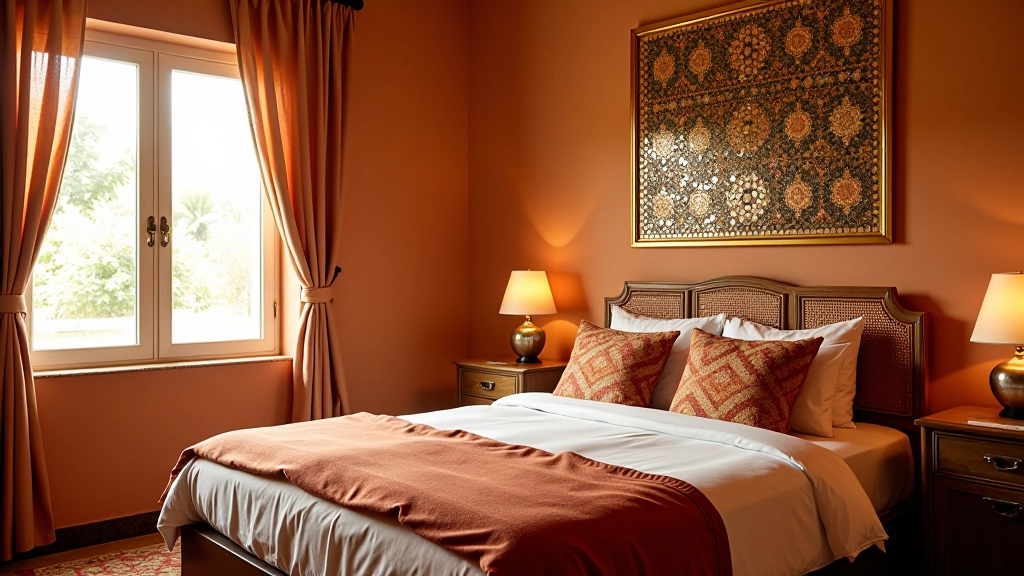
Traditional Rajasthani textiles draw from the landscape itself. The golden sands, the sunset hues, the deep indigo skies — they’re all there in the mirror work and embroidery. These aren’t random choices. They’ve evolved over centuries because they work.
Ochre, terracotta, and rust shades create grounding, welcoming spaces. These colors pair beautifully with cream or soft beige walls and work well in bedrooms that get plenty of natural light.
Emerald, sapphire, and deep magenta create drama and sophistication. These colors really pop against neutral wall colors and make the mirror work stand out even more.
Coral, saffron, and deep orange bring warmth and energy. Perfect for spaces that feel a bit cold or for people who want their bedroom to feel alive rather than just restful.
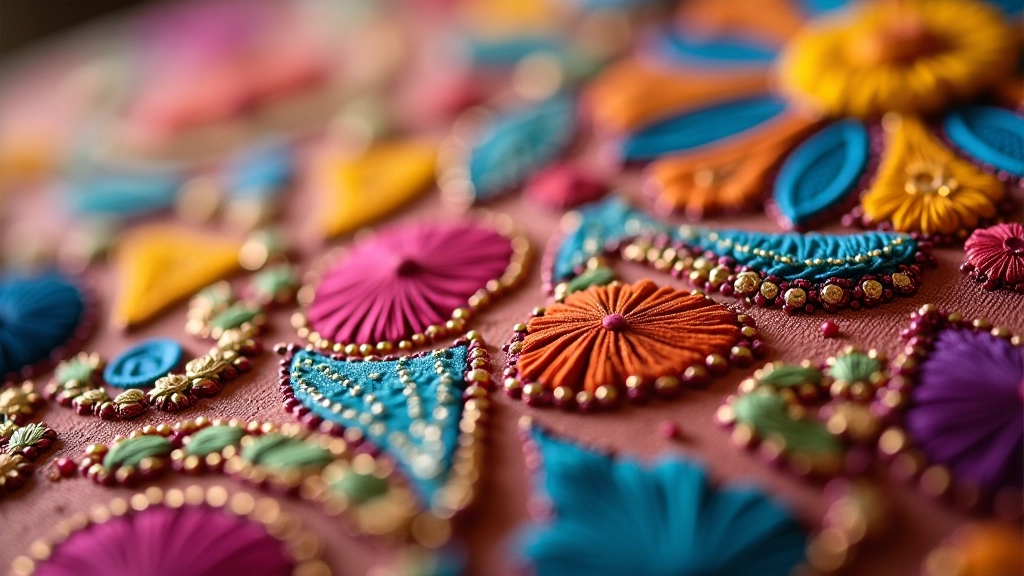
Colors can appear differently depending on lighting conditions, screen displays, and individual perception. We recommend viewing textiles in person and in your actual room’s lighting before making final decisions. Natural daylight, artificial lighting, and evening light all reveal different aspects of the same color.
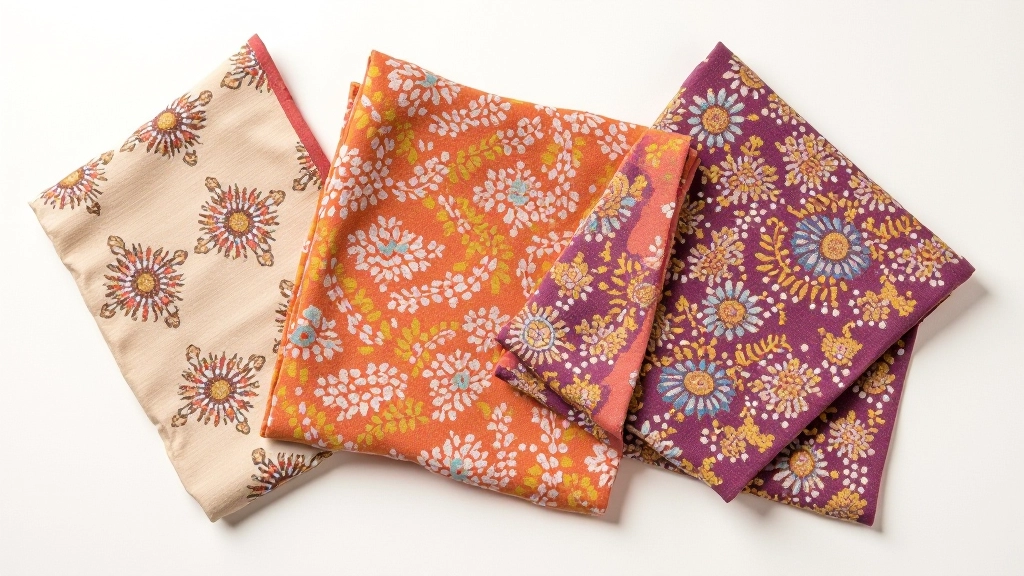
Pattern selection isn’t complicated — it’s actually about balance. If your walls are already textured or patterned, you want textiles that complement without competing. If your walls are clean and simple, that’s when you can go bold with a striking geometric or floral pattern.
The mirror work in Rajasthani textiles does something special. Even a single-color textile with mirror embroidery creates visual interest through light reflection. You don’t need crazy patterns when you’ve got mirrors catching the light from different angles throughout the day.
Think about scale too. Large mirrors and bold geometric patterns suit bigger wall spaces. Smaller, more intricate patterns work better on narrower walls or as accent pieces beside furniture. And don’t forget — hanging multiple pieces creates its own visual pattern through composition.
Expand your knowledge with these complementary guides
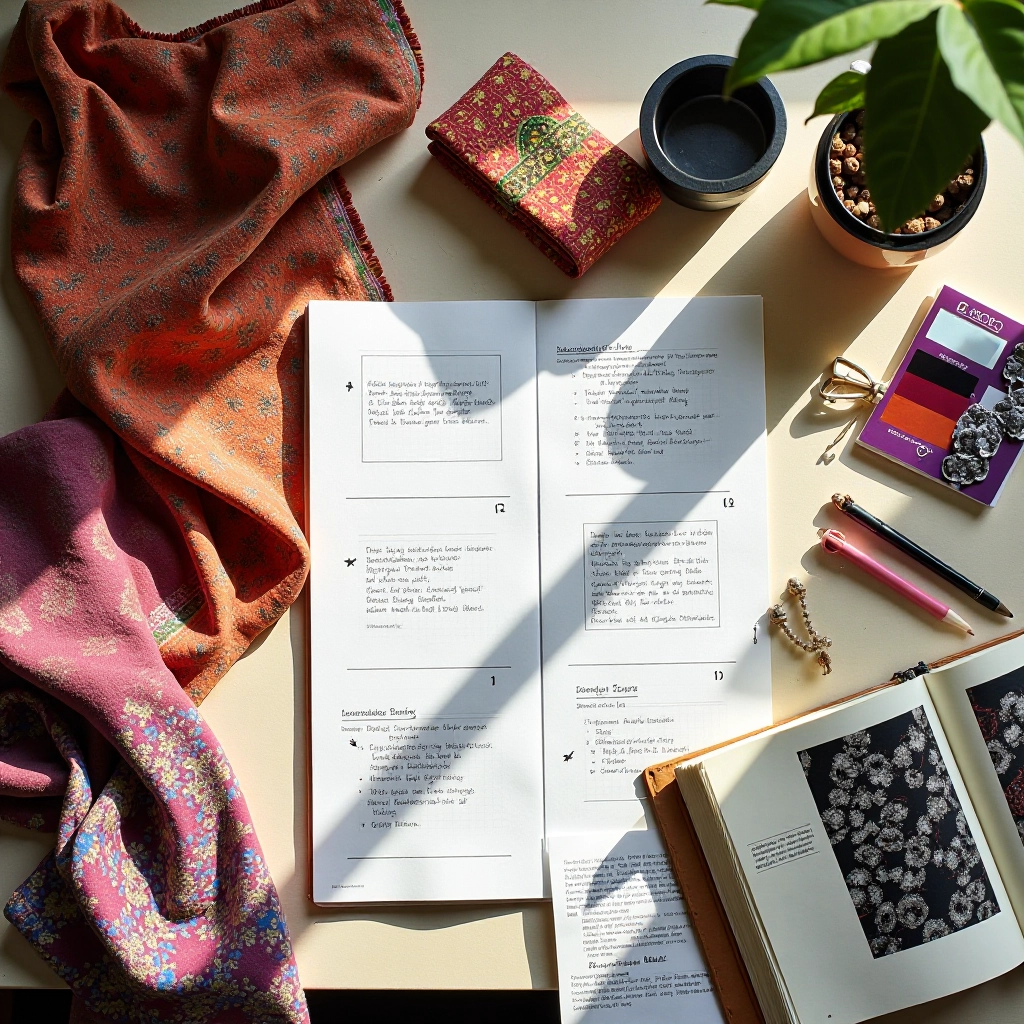
Learn the history and techniques behind traditional mirror embroidery. Covers different stitch types, mirror placement methods, and regional variations across Rajasthan.
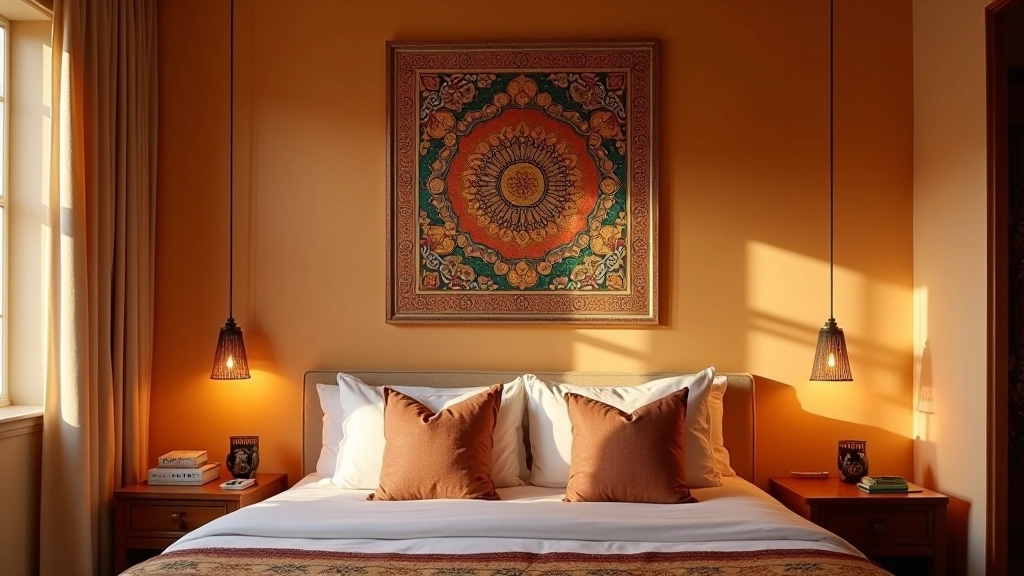
Practical tips for hanging and positioning mirror work pieces. Includes spacing guidelines, wall preparation, and composition ideas for different room sizes.
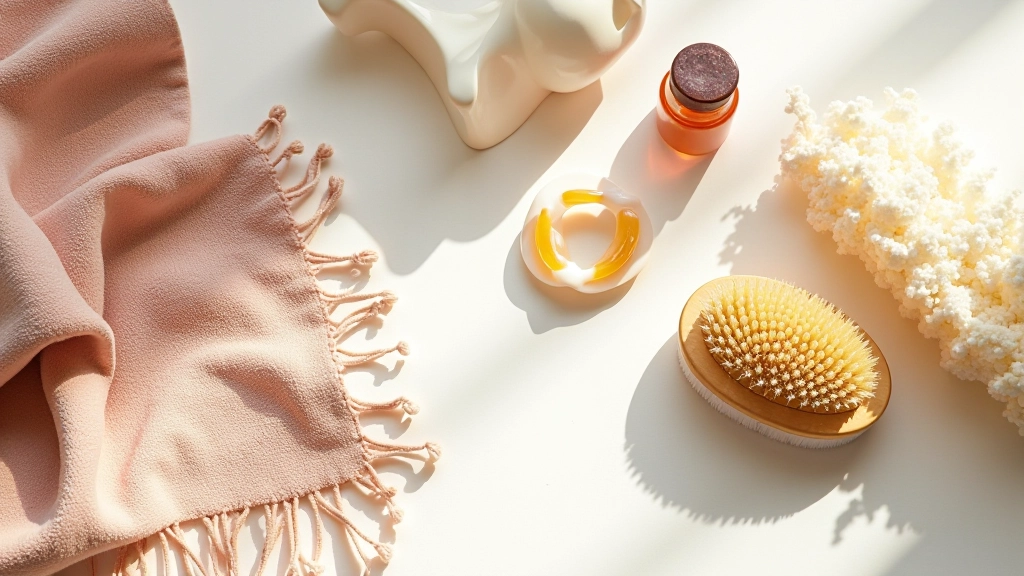
Keep your pieces looking fresh. Covers gentle cleaning methods, storage tips, and seasonal care to preserve the mirror work and embroidery for years.
You’ve got options. Start by looking at what’s already in your room. What color are your walls? What about your bedding? Curtains? The goal isn’t to match everything perfectly — it’s to create harmony. A textile in jewel tones can look stunning against cream walls. An earth-tone piece creates warmth against soft gray.
Natural light changes everything. If your room gets bright morning sun, cooler tones won’t look washed out. If you’re mostly in evening artificial light, warmer tones will shine. Visit the textile vendor at different times of day if possible.
Don’t buy blindly. Most textile sellers will let you borrow a piece for a day or two. See it in your actual room, in your actual light. That’s the only way to know for sure.
Wood tones matter. A dark wood bed pulls toward warmer textiles. Lighter woods are more flexible. Metal frames work with almost anything. Think about what’s staying in the room long-term.
You don’t need to cover every wall. One stunning piece makes a statement. Once you see how it feels in your space, you’ll know if you want to add more or if one is perfect.
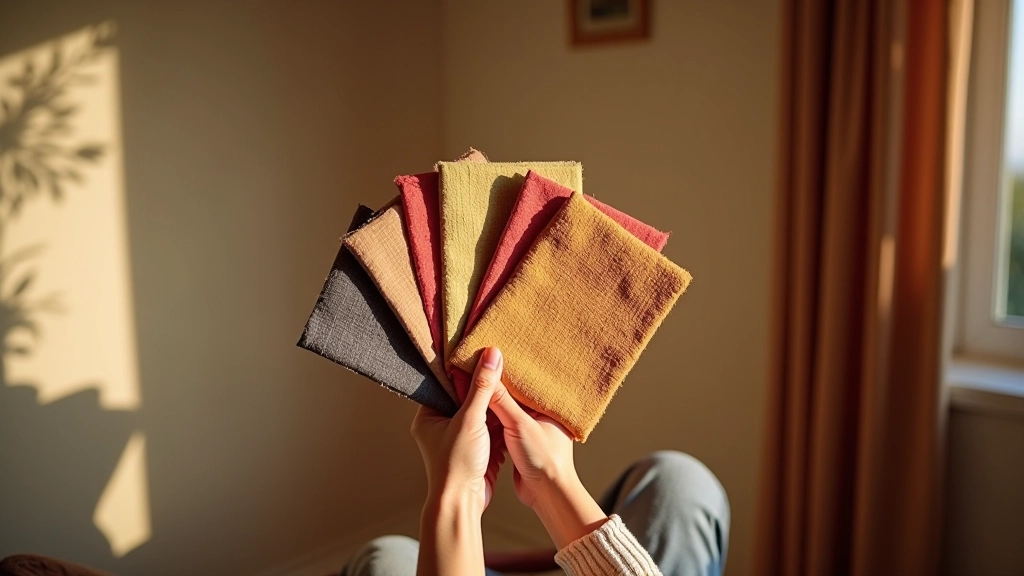
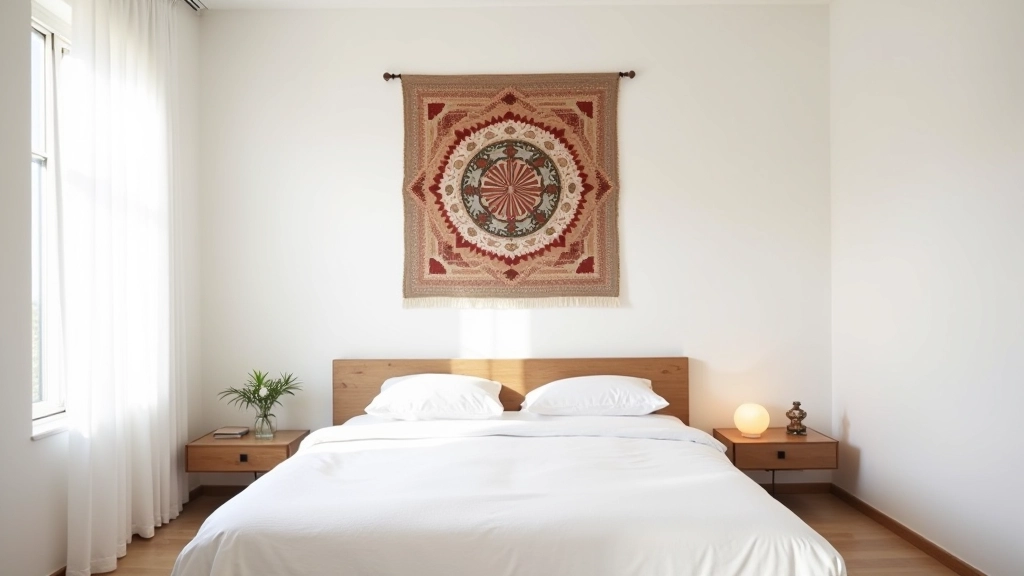
Here’s what we’re seeing more and more — people pairing traditional Rajasthani textiles with modern, minimal spaces. It works surprisingly well. A single jewel-toned textile on a clean white wall becomes art. The mirror work catches light in ways that pure decoration can’t.
The trick is restraint. In a modern space, you don’t need five textiles competing for attention. One or two pieces, chosen thoughtfully, create more impact than a whole wall covered. The color should pop without overwhelming the room. Think of it as adding one bold element that makes everything else feel intentional.
Neutral walls become your best friend here. Soft whites, grays, and beiges let the textile be the star. Add warm wood elements for grounding, and you’ve got a space that feels both contemporary and deeply rooted in tradition. That’s the beauty of Rajasthani mirror work — it bridges cultures and time periods effortlessly.
Color choice isn’t something to overthink. You’re not making a permanent decision — you’re creating a moment in time that reflects who you are right now. If you love deep purples, go for them. If earth tones call to you, listen. Your bedroom should feel like a sanctuary, and that feeling starts with color.
Take your time. Look at textiles in different light. See how they feel in your actual space. Ask yourself what emotion you want when you walk through that door — calm, energy, warmth, sophistication. Once you know that, the color choice becomes clear.
And remember — Rajasthani mirror work has been chosen by people for centuries because it works. These colors, these patterns, they’ve stood the test of time. You’re not just decorating. You’re connecting to something real and beautiful. That’s worth the effort of getting it right.